Oral Histories
Recording the voices, memories and everyday stories of Matterdale, Ullswater and the surrounding valley communities.
The Oral Histories project has been set up to record and preserve memories of family life, working life, landscape, farming, weather, community, transport and change around Ullswater.
Many of these stories are not written down anywhere else. By recording them now, the project helps preserve local knowledge and lived experience before memories fade and older ways of life are forgotten.
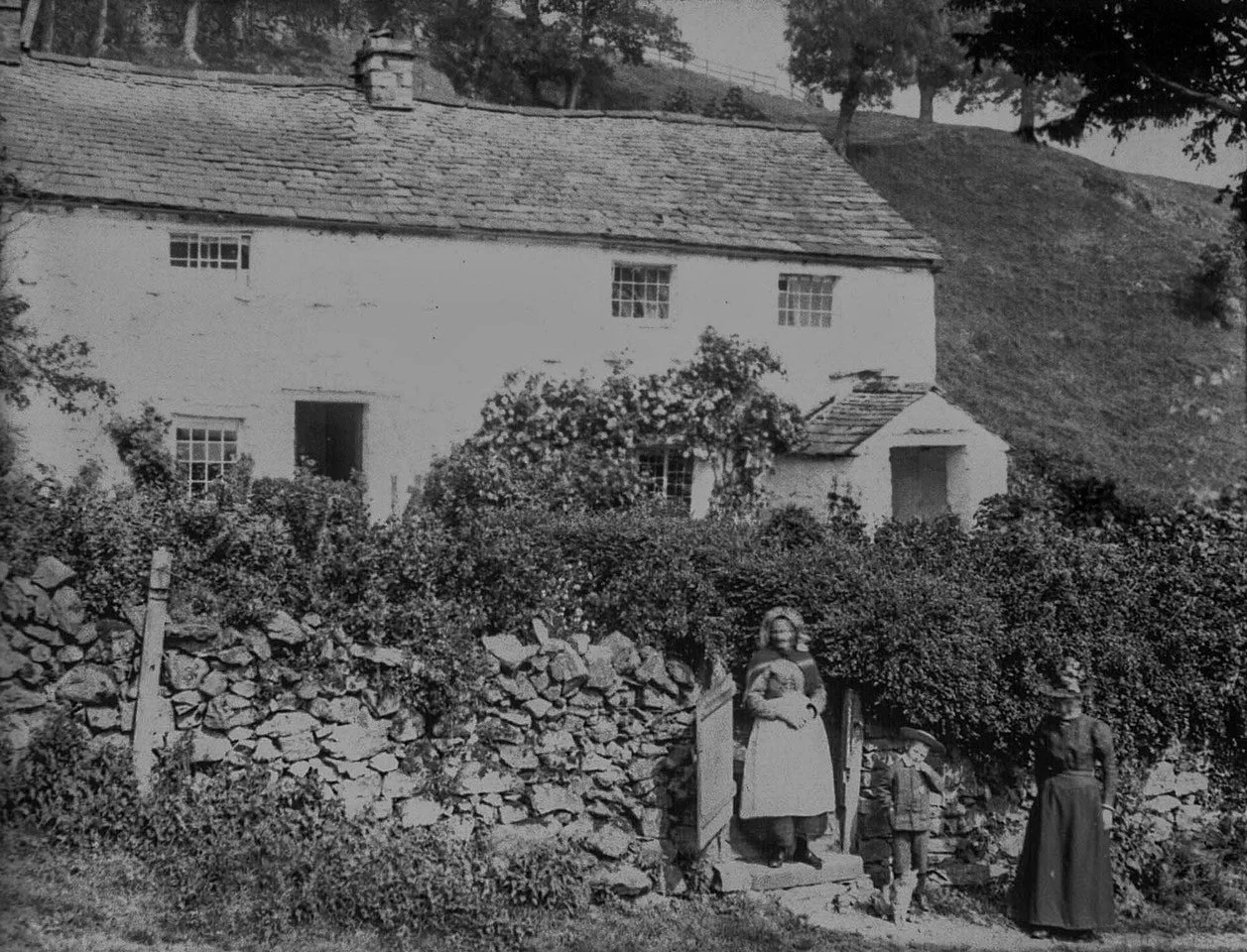
The Hollows, Matterdale. Photograph courtesy of Jane Newport.
Why oral histories matter
Oral histories preserve the texture of everyday life in a way that written records often miss.
They capture how people remember work, family, farming, weather, childhood, war, transport, community events and the changing landscape. They also record voices, turns of phrase and personal details that help bring local history to life.
The project creates an important resource for future generations, helping people understand not just what happened in the valley, but how people experienced it.
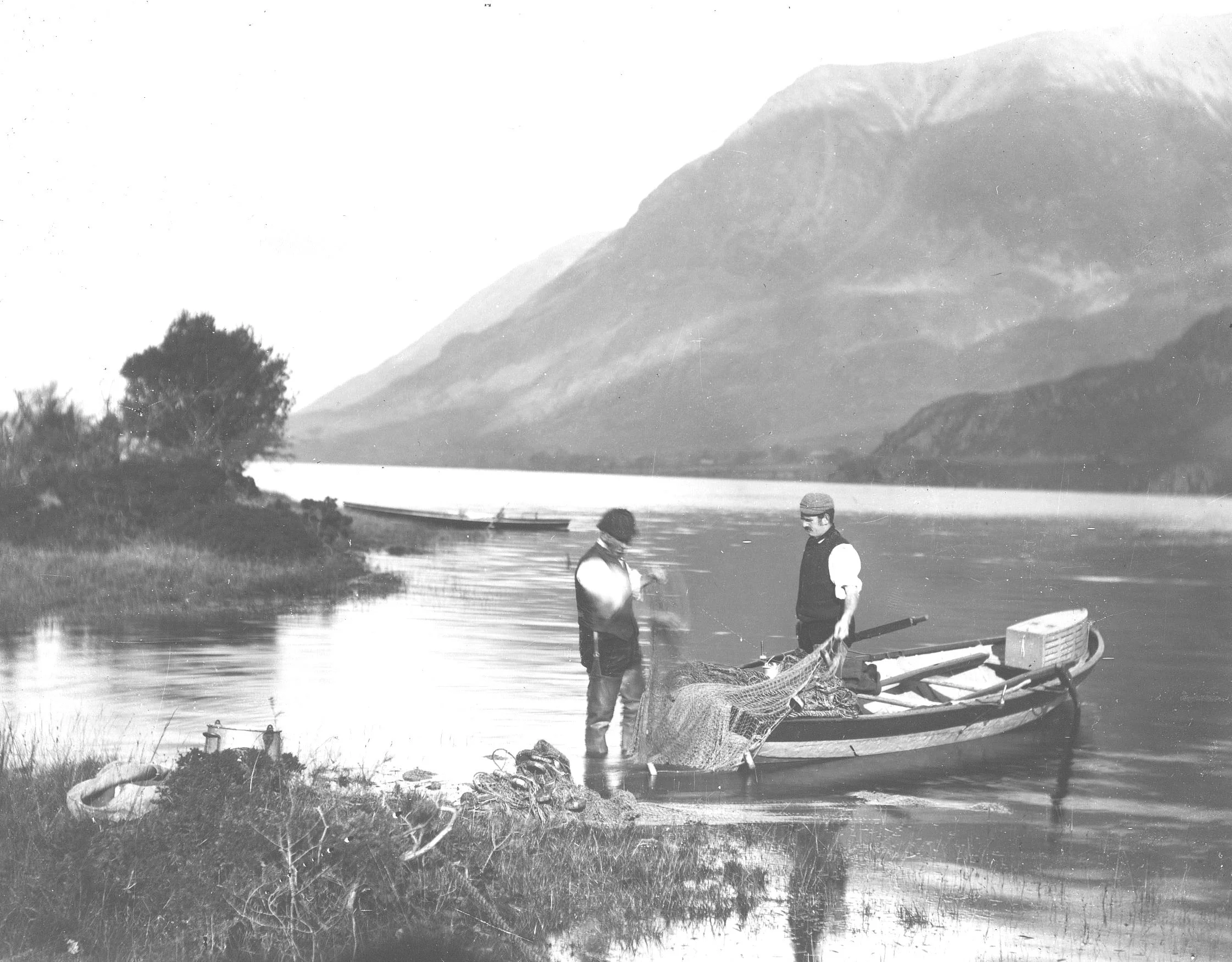
Historic image of fishing on Ullswater. Oral history can preserve local memories of the lake, including how fish populations and ways of life have changed over time. With thanks to James Sowerby.
“There were trout and perch at Beauthorn. We inherited some cages — wire cages with glass bottle buoy floaters. You put this cage down and the fish could swim in, but couldn’t swim out, and then you pull it up in the morning and see what you caught. The trout were quite common. I don’t know what it’s like now, because I’m not a fisherman, but certainly there’s not the volume of fish there were.”
How the project works
The project began in January 2025 with a small group of volunteers in Matterdale.
Volunteers received training from the Ambleside Oral History Group, which has been recording oral histories since 1976 and has built an archive of more than 450 interviews.
By the end of 2025, the project had recorded 16 interviews with residents of Matterdale Valley and Ullswater. Participants receive a copy of the audio recording and transcript, and the material is stored by Cumbria Archives at Carlisle Archive Centre so it can be kept for the future
Voices from the interviews
The interviews already cover a wide range of themes, from farming and women’s work to Foot and Mouth, severe winters, Storm Desmond, wartime memories, fish populations, shopping, transport, music and community life.
The themes below give a flavour of the stories recorded so far.
“It was always really special to us. It was somewhere we loved to go. It was somewhere that we valued. It was such an important place to us, and still is obviously.”
Building the archive
Continue collecting memories from people connected with Matterdale, Ullswater and the surrounding valley communities.
Draw out stories around farming, weather, work, transport, community, landscape and change.
Connect recordings, transcripts and excerpts with the Heritage Knowledge Bank so the material can be found and used over time.
Partners and people
The project has been developed by local volunteers, with training from the Ambleside Oral History Group and support from Friends of the Ullswater Way. It forms part of a wider effort to record, organise and share local knowledge about Ullswater and its valley communities.